
Asha took the wheel and became a driving force in her community
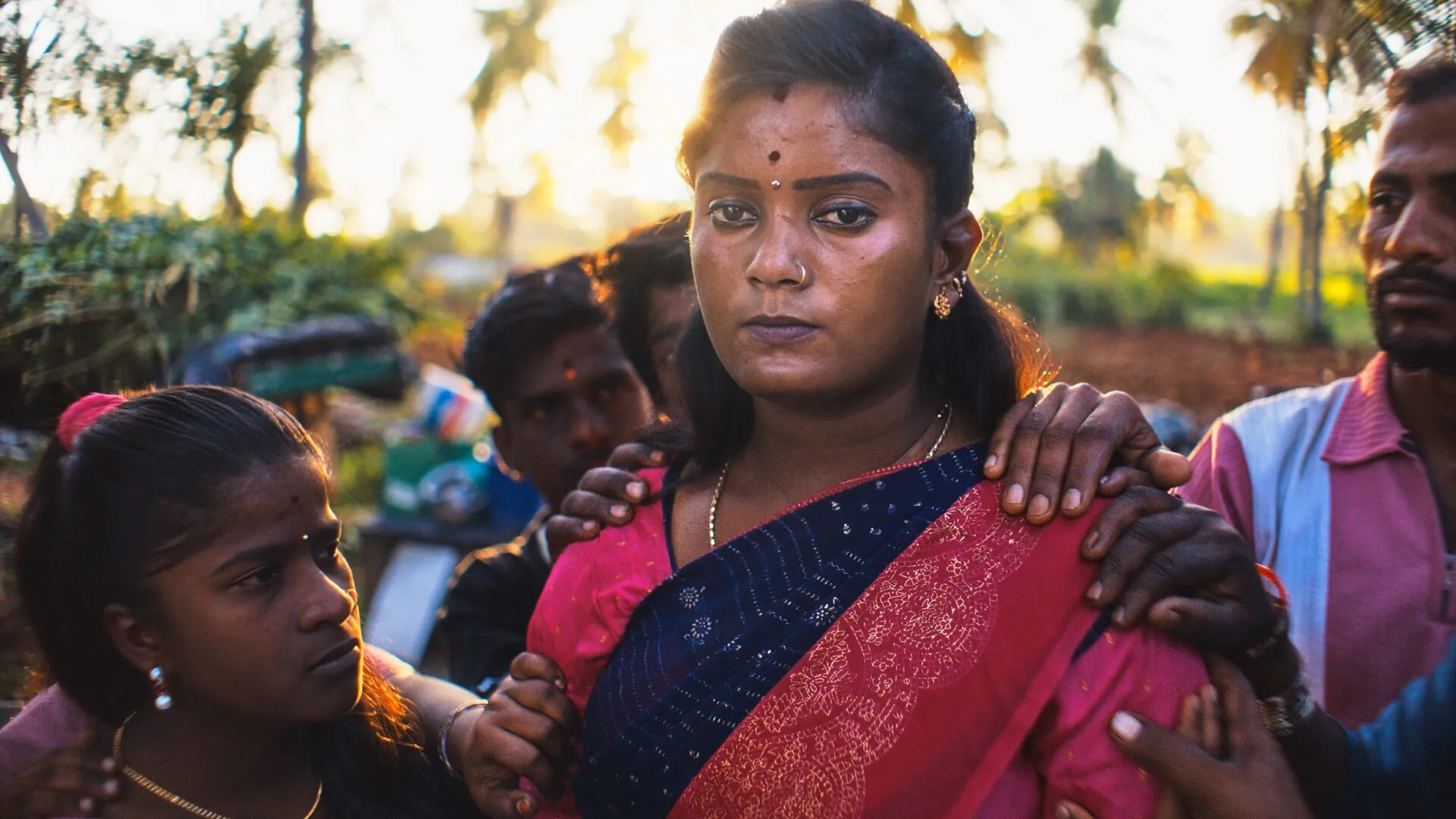
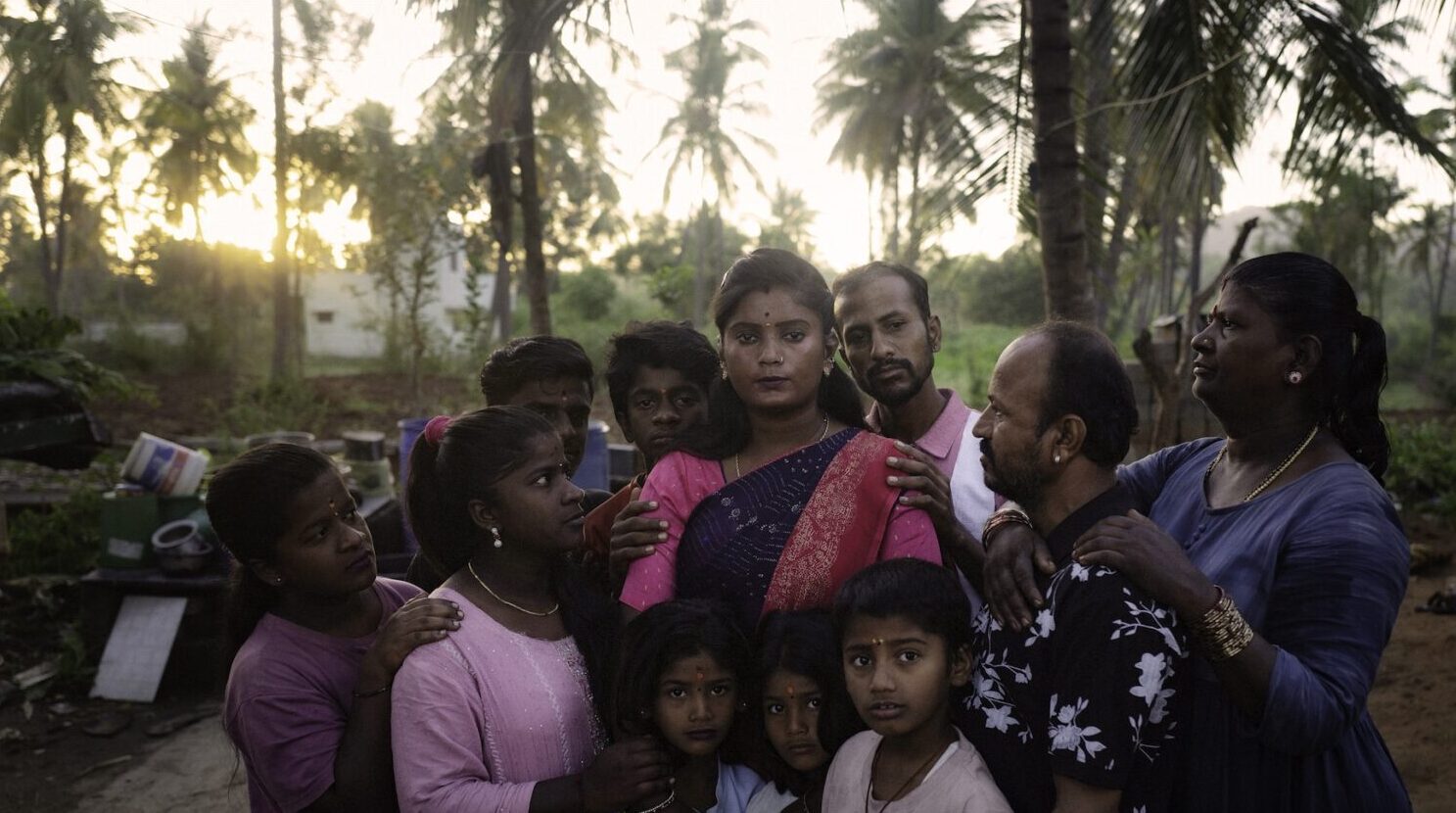
Asha’s her world was centred around her home and family in Hukunda, a village in the Ramanagara district of India. She cared for her children and shared a home with her husband, parents, nieces and nephews. Supporting such a large family on a limited income was not easy. Yet Asha believed that she could help create a better future – not only for her family, but for the villages around her.
After participating in Buzz Women’s program Inner Strength, Asha began to see new possibilities for herself. During a module about creating a model village, she was invited to think about the changes she wanted to see in her own surroundings. Her answer was clear: “I want to take a step towards creating a model village.”
For Asha, that first step would be contributing to the Swachh Bharat Mission – ‘Clean India Mission’ – India’s national movement for cleaner communities. She wanted to help improve waste collection and bring greater awareness of cleanliness and sanitation to her own village and the surrounding area.
The training also made Asha realise that she wanted to work outside the home. When an opportunity arose to drive a garbage collection vehicle for the local government, she decided to take it. Although she initially felt shy and uncertain, she approached the opportunity as a challenge. She enrolled in a driving course, learned the skills she needed and gradually grew in confidence.
Today, Asha drives a government collection vehicle to villages across the area. Her working day begins long before she gets behind the wheel. Early each morning, she prepares breakfast and lunch, gets her children ready for school and takes care of her household responsibilities. At around eight o’clock, she starts the vehicle and travels to the villages assigned to her by the local authorities.
Her work involves much more than collecting waste. Asha speaks with residents about how they dispose of it and explains why separating wet and dry waste matters. In the past, most households mixed everything together, making the waste difficult and unpleasant to handle. Together with her team, Asha organised an awareness campaign across the villages. They visited households, listened to residents and explained how waste segregation could contribute to cleaner and healthier surroundings. Once people understood its importance, many began separating their waste regularly.
Over time, Asha has become a familiar and trusted presence in the villages she serves. Residents invite her into their homes for coffee or something to eat. When she does not arrive on the expected day, they ask where she is and whether she is well. What began as a job has grown into a strong relationship between Asha and her community.
“I am proud to be one of the women who has taken up a job as a driver in waste disposal.”
Her work has also opened doors to new experiences. Asha was selected to attend a training programme in Tamil Nadu connected to the Swachh Bharat Mission. There, she learned more about raising awareness, motivating communities and encouraging people to take an active role in sanitation.
The impact of her decision can also be felt at home. Her income has turned the household from a single-income into a dual-income family. This has enabled Asha and her husband, Rajesh, to work towards building a new home and to save money for their children’s education.
Asha’s story is one of quiet determination. She did not wait until she felt completely ready. She accepted an opportunity, learned what she needed to learn and allowed her confidence to grow with every kilometre she drove. In doing so, she changed her own future and began changing the habits of entire communities.
Asha means “hope”. It is a name she brings to life every day: in the future she is building for her children, in the care she gives to her family and in every village she helps move towards a cleaner, healthier tomorrow. By taking the wheel, Asha discovered her own strength and became a driving force for change.
Watch the movie ‘We Move the World’

More news and stories
Sign up for our newsletter
"*" indicates required fields